The campaign
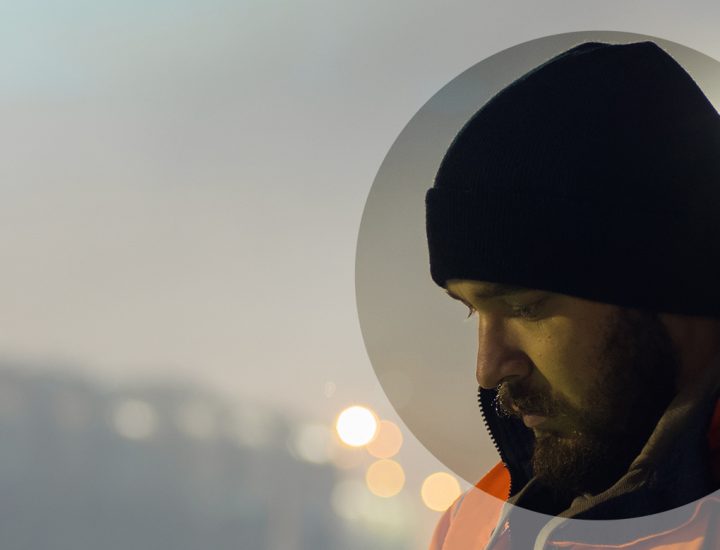
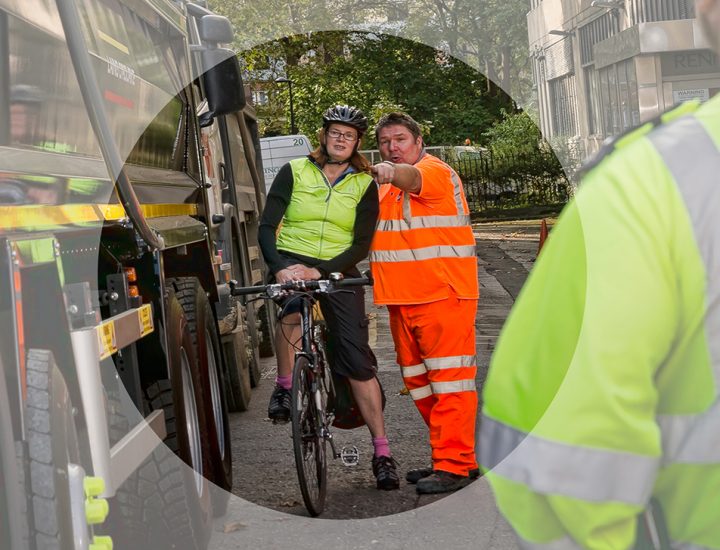
‘Spotlight on… occupational cancers’ aims to raise awareness of the health risks involved in construction work, specifically those relating to occupational cancers and the importance of taking proactive measures to safeguard all employees within the sector.
There are various types of cancer which affect the workforce, but skin cancer and lung cancer have been identified as the two main types that significantly affect individuals working in the construction industry.
Skin and lung cancer can be caused by exposure to carcinogens and UV radiation in the workplace over a prolonged period of time. The causes can take various forms from solid substances to gases and dust. Without appropriate control measures in place, workers can be exposed to these harmful substances by breathing them in or absorbing them through the skin.
Due to the risks associated with the construction industry and the various harmful substances encountered on a day to day basis, workers within the industry are at a greater risk of developing cancer at work compared with any other industry group. Potentially harmful substances include asbestos, silica dust, diesel engine exhaust emissions, paint and prolonged exposure to UV radiation.
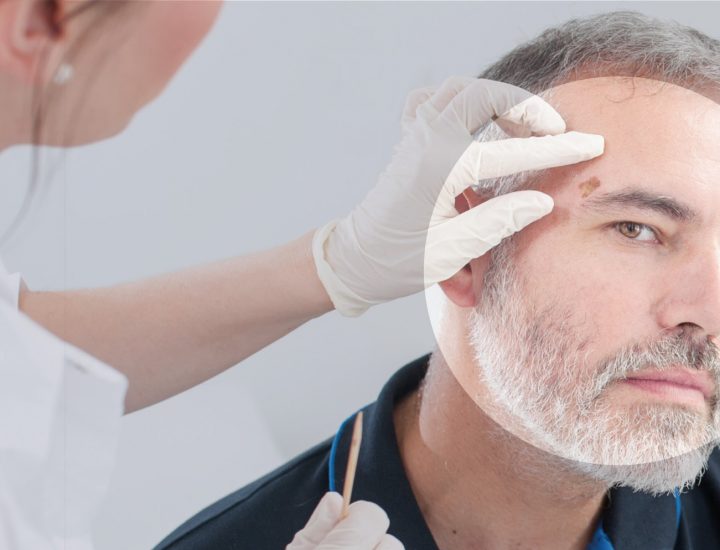
UV radiation and skin cancer are sometimes not considered an issue in the UK due to the weather, but whilst a higher number of people are diagnosed with skin cancer in Australia, the survival rate is higher than in the UK. This is the result of better public attitudes to sun protection and early detection of any skin changes due to Australia’s well-funded awareness campaigns which have spanned over 20 years, coupled with primary and secondary school education. The UK needs to take a more proactive approach to this health problem, which is particularly relevant for outside workers.
It is difficult to determine the true extent of occupational cancers as in many cases individuals fail to develop any noticeable symptoms until many years later. Therefore, the industry may not prioritise work-related cancer as an immediate health and safety issue.
The industry has made great progress in recent years in addressing the ‘safety’ part of ‘health and safety’, but there needs to be greater focus on the health of the workforce and how working conditions can contribute to ill health. The importance of protecting employees’ health and preventing work-related ill health needs to be carefully considered and addressed by all those involved in the construction industry.
Facts and figures
The following facts demonstrate the scale of work-related cancers:
- Worldwide, 742,000 people die every year from occupational cancers, equating to one person every minute (IOSH, 2017)
- There were 2,446 mesothelioma deaths in 2018 due to past asbestos exposures (HSE 2020)
- In the UK there are 13,500 newly occurring cases of occupational cancer per year and 8,000 deaths from these diseases (HSE, 2016/17)
- In 2018/19 there were 18,000 new cases of breathing and lung problems caused or made worse by work (Health & Safety International, 2020)
- Over 40% of occupational cancer deaths arise from the construction industry (HSE, 2016/17)
- 99% of work-related deaths are caused by occupational diseases and 1% by accidents at work (HSE, 2014/15)
- Asbestos is responsible for the largest proportion of occupational cancer (HSE, 2016/17)
- 1 in 4 construction workers have been exposed to asbestos (IOSH, 2018)
- Construction workers have a 6 times greater risk of developing skin cancer than the general population (Construction Enquirer, 2015)